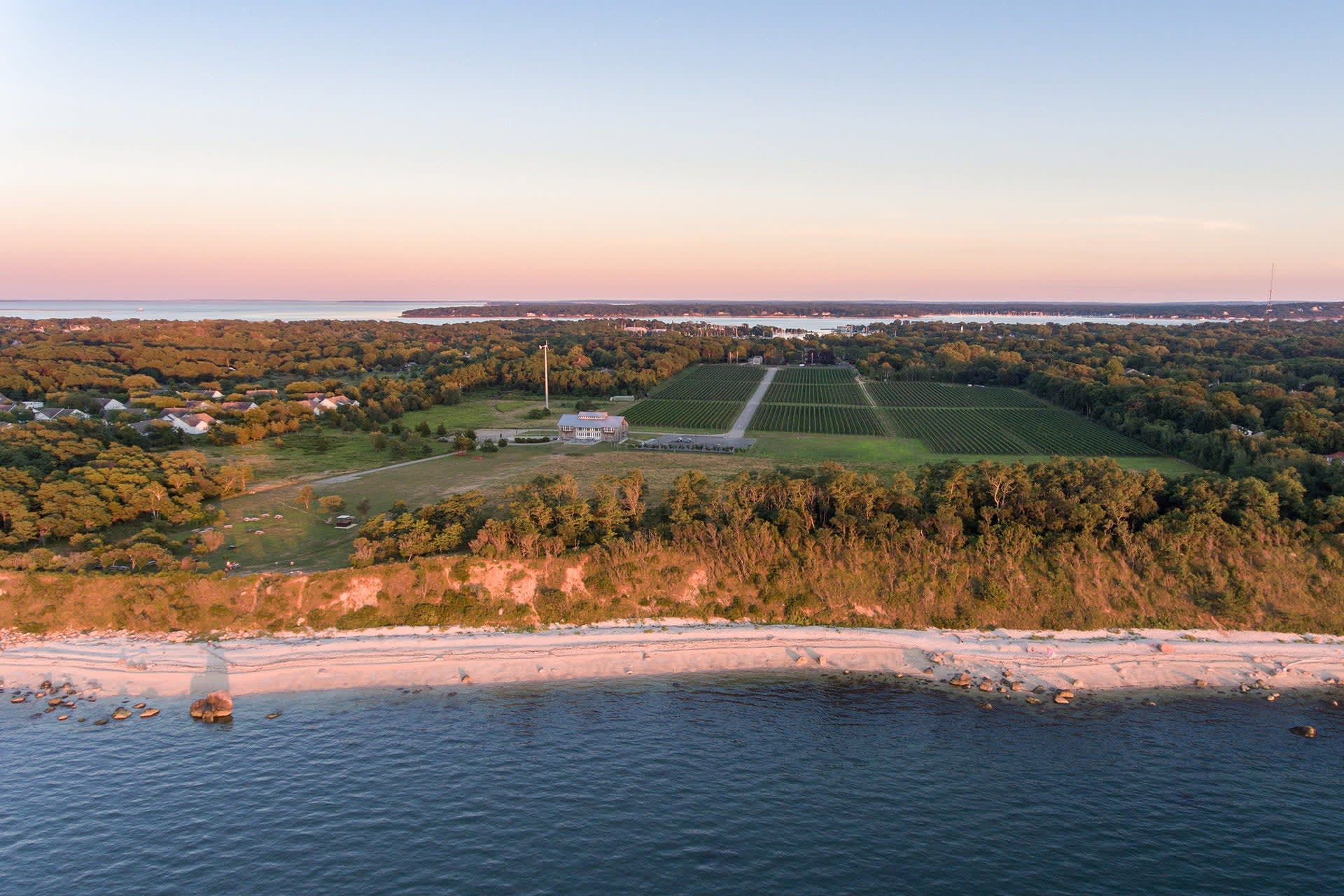
More than 50 years ago, planting European wine grapes on Long Island was an experiment.
Today, Long Island is an established American wine region with three AVAs, generations of experienced growers and winemakers, and a remarkably diverse collection of vineyards and producers.
The question is no longer whether Long Island can make great wine. It can—and does.
The more interesting question now is: What will Long Island wine become known for?
To understand where the region is going, however, it helps to understand where it began.
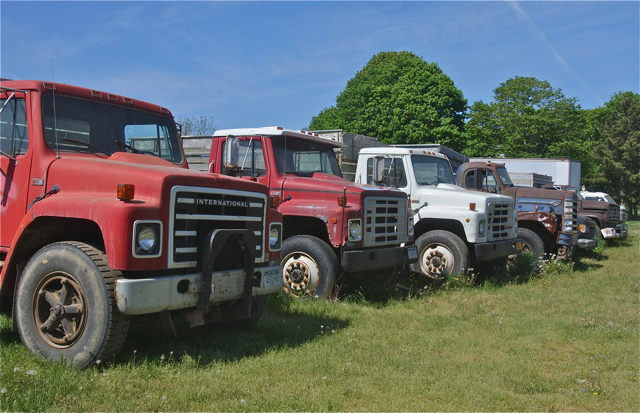
Long before tasting rooms and vineyard signs dotted Routes 25 and 48, Long Island had deep agricultural roots.
For generations, farmers worked the fertile land of the East End, growing potatoes, vegetables, fruit, and other crops. Grapes weren’t entirely new either. Growers had experimented with them long before the modern Long Island wine industry emerged.
Those agricultural roots matter because Long Island Wine Country didn’t appear simply because someone thought vineyards would look beautiful here. Early growers, researchers, and agricultural institutions had to determine whether the climate and soils could support commercially viable wine grapes.
John Wickham conducted important early grape-growing experiments on the North Fork, while research and outreach from Cornell helped growers better understand the region’s potential.
That combination of farming, science, experimentation, and persistence laid the groundwork for what came next.
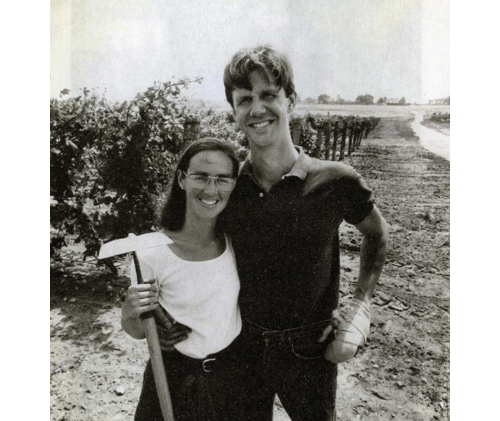
The defining moment arrived in 1973.
That year, Louisa and Alex Hargrave planted Vitis vinifera grapes in Cutchogue, establishing what became the first commercial vineyard of Long Island’s modern wine era.
At the time, their decision was anything but a sure bet. Could European wine grapes successfully grow on Long Island? Could they survive the winters, humidity, hurricanes, disease pressure, and unpredictable weather? More importantly, could those grapes produce wines capable of competing beyond the local market?
The Hargraves decided to find out.
Their success proved something enormously important: Long Island could grow serious wine grapes. Once that question had an answer, others followed.
Throughout the late 1970s and 1980s, a small group of growers and winemakers began turning one successful experiment into an industry.
Peter Lenz established Lenz Winery in 1978 and helped demonstrate the potential of varieties such as Merlot. Meanwhile, Charles Massoud and his family founded Paumanok Vineyards in 1983, building what would become one of the region’s enduring multigenerational estates.
Other pioneers pushed the industry forward from different directions.
Lyle Greenfield, through Bridgehampton Winery, became an important figure in the development of the region and its appellations.
Then there was Richard Olsen-Harbich, whose influence stretches far beyond any individual bottle. Through decades of work in viticulture, winemaking, sustainability, and the creation of Long Island’s AVAs, Olsen-Harbich helped the region begin answering a much more complicated question:
What makes this place different?
Because a wine region isn’t created simply by planting vines. Eventually, growers have to understand—and articulate—why wines grown there taste like they belong there.

The creation of Long Island’s American Viticultural Areas helped formalize that sense of place.
The Hamptons, Long Island AVA was established in 1985, followed by the North Fork of Long Island AVA in 1986. The broader Long Island AVA followed in 2001.
Those boundaries recognized something growers were already beginning to understand: geography matters here.
Water surrounds Long Island. On the North Fork, vineyards sit between Long Island Sound and Peconic Bay, with the Atlantic Ocean influencing the broader region.
That maritime environment moderates temperature and helps create the long growing season that allows grapes to ripen while retaining natural acidity.
Yet that same water creates challenges. Humidity increases disease pressure. Coastal storms threaten vineyards. Rainfall can complicate both the growing season and harvest.
In many ways, the same water that makes Long Island wine possible also makes growing grapes here difficult.
Learning how to work within that tension became one of the defining tasks of the next generation.
As vineyards matured, the conversation began to change.
The first generation had needed to prove that Long Island could grow wine grapes. The next needed to prove those grapes could produce exceptional wines.
Producers such as Kip Bedell helped elevate the region’s reputation, particularly through Merlot and Bordeaux varieties. Increasingly, Long Island wines began attracting serious attention beyond the East End.
Meanwhile, growers continued learning which varieties worked best in different vineyard sites.
Merlot emerged as an important red. Cabernet Franc demonstrated an affinity for the region’s long, moderate growing season. Chardonnay and Sauvignon Blanc found natural homes here, while sparkling wine increasingly showcased the advantages of Long Island’s natural acidity.
The question was changing. It was no longer simply, Can we grow grapes here? It became, How good can these wines become?
By the 1990s and early 2000s, Long Island Wine Country had entered another stage of development.
New vineyards and wine labels wanted to enter the market, but starting a winery required enormous amounts of capital and equipment.
That’s where another generation of industry builders became important.
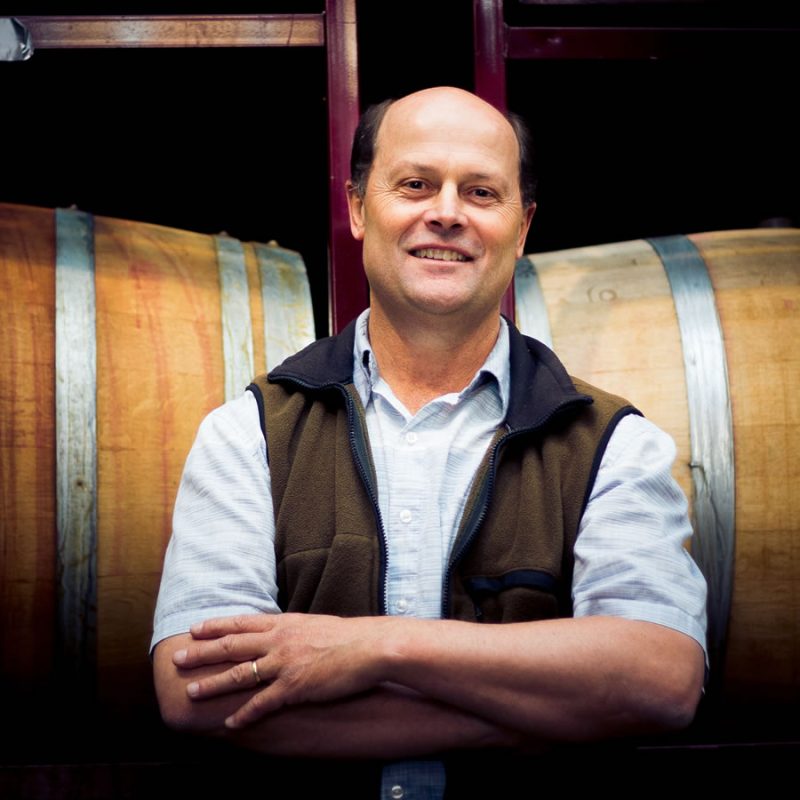
Our own winemaker, Russell Hearn, arrived on Long Island for his first North Fork vintage in 1990 after beginning his career in Western Australia and gaining experience elsewhere around the world.
In 2000, Russell founded Premium Wine Group, introducing the East Coast to a large-scale custom-crush model that allowed wine brands to produce their wines using state of the art equipment without first building their own wineries.
That infrastructure lowered one of the largest barriers to entering the industry and helped a new generation of smaller producers get started.
Meanwhile, established wine families began passing knowledge from one generation to the next. Winemakers such as Kareem Massoud represent an important transition: Long Island wine was becoming a multigenerational profession rather than a pioneering experiment.
It’s easy to use “North Fork wine” and “Long Island wine” interchangeably. However, the South Fork deserves an important place in the story.
The Hamptons, Long Island AVA experiences a different degree of Atlantic influence and supports fewer vineyards. Producers including Wölffer Estate Vineyard and Channing Daughters Winery have demonstrated just how varied Long Island wine can be.
That’s an important part of the region’s evolution.
Long Island doesn’t necessarily need one grape, one style, or even one subregion to define it. Instead, its diversity may prove to be one of its greatest strengths.
Fast-forward to today and the Long Island wine landscape looks dramatically different from the one the Hargraves encountered in 1973.
We now have established vineyards more than four decades old alongside new plantings. Several wineries have passed from one generation to the next. Winemakers have decades of local harvest experience to draw upon, while younger growers enter the industry with access to knowledge their predecessors had to develop through trial and error.
Most importantly, producers no longer need to follow a single blueprint for what Long Island wine should be.
Today you’ll find serious Merlot and Cabernet Franc alongside traditional-method sparkling wines, Chardonnay, Sauvignon Blanc, Pinot Blanc, rosé, skin-contact wines, Italian varieties, lesser-known grapes, creative blends, and increasingly experimental styles.
Here at Rooted North, our vineyards and wines reflect that evolution. Long-established varieties such as Pinot Blanc, Chardonnay, Merlot, and Cabernet Franc sit alongside grapes including Teroldego and Lagrein.
That willingness to explore is happening throughout the region. And perhaps that’s a sign of maturity.
Long Island’s winemakers no longer need to prove that they belong. They can concentrate on discovering what their vineyards do best.

That future increasingly includes another question: How do we preserve the land that made all of this possible?
Long Island’s wine industry exists within a relatively small agricultural region surrounded by development pressure. Vineyards therefore do more than produce grapes. They help keep land in active agriculture.
Sustainable winegrowing has consequently become an increasingly important part of the conversation.
Growers continue refining canopy management, soil health, pest management, spray technology, biodiversity, water use, and other vineyard practices. Programs such as New York Sustainable Winegrowing are also creating measurable standards for wineries committed to improving their environmental practices.
For Long Island, sustainability isn’t simply a marketing concept. It’s tied directly to whether agriculture remains viable here for another generation.
The next 50 years won’t necessarily look like the first.
A warming climate could create opportunities. Some grape varieties may ripen more consistently, while varieties once considered difficult could become increasingly viable. However, warmer doesn’t necessarily mean easier.
Long Island growers will also have to contend with extreme rainfall, stronger storms, periods of drought, disease pressure, heat spikes, changing harvest dates, and increasingly unpredictable weather.
As a result, the future of Long Island wine will likely depend as much on vineyard innovation as winemaking.
Which varieties should we plant? Which rootstocks perform best? How should we manage vineyard canopies? How can we protect soil health? How do we maintain acidity and freshness as growing seasons change? The answers will evolve, just as they have since 1973.
Perhaps this is the most interesting question facing the region today.
For years, people have searched for a signature grape.
Is Long Island defined by Merlot? Cabernet Franc? Chardonnay? Sparkling wine? Perhaps. But there’s another possibility. Maybe Long Island doesn’t need one.
The stronger common thread may be maritime freshness, natural acidity, moderate alcohol, food-friendly structure, and wines that reflect a coastal agricultural landscape.
That leaves room for Pinot Blanc and Cabernet Franc. Chardonnay and Teroldego. Traditional-method sparkling wine and creative blends.
Rather than limiting the region’s identity, that freedom gives growers an opportunity to keep discovering what Long Island can become.

Today’s growers and winemakers inherit something the pioneers never had: More than 50 years of accumulated knowledge.
They don’t need to answer the question Louisa and Alex Hargrave faced in 1973. We already know vines can grow here.
Nor do they need to prove that Long Island deserves recognition as an American wine region. Generations of growers, winemakers, vineyard workers, researchers, and winery owners have already done much of that work.
Instead, today’s generation inherits a harder—and perhaps more exciting—challenge. They get to decide what comes next.
In 1973, planting vinifera grapes in Cutchogue represented a bet on possibility. More than half a century later, vineyards stretch across the East End, generations of winemakers call Long Island home, and wine has become an important part of the region’s agricultural identity.
The first 50 years asked whether Long Island could become a wine region. The next 50 will determine what kind of wine region it wants to be.