You don’t need a sophisticated palate, an expensive collection, or a long list of tasting terms to enjoy wine. In fact, the best way to learn about wine is simply by tasting it, asking questions, and discovering what you like (and don’t like).
Whether you’re planning your first winery visit, ordering a bottle at a restaurant, or shopping for one to enjoy at home, understanding a few basic concepts can make wine feel far more approachable.
This wine for beginners guide covers the essentials—from how wine is made and the major styles of wine to tasting techniques, common wine terms, and simple food pairing tips—so you can enjoy every glass with confidence.

At its simplest, wine is fermented grape juice.
When grapes are harvested, naturally occurring or cultured yeast converts the grape sugars into alcohol through fermentation. The result is wine—a beverage shaped by the grape variety, climate, soil, winemaking decisions, and time.
Thousands of grape varieties are grown around the world, each producing wines with their own aromas, flavors, textures, and personalities.
Although there are countless wines to explore, most fall into five broad categories.
Typically made from green or yellow-skinned grapes, white wines range from crisp and refreshing to rich and creamy.
Some Popular Examples:
Common flavor components that you may see:

Red wines are fermented along with the grape skins before the grapes skins are separated out. The skins of a grape give wine its color, tannins, and structure.
Some Popular Examples:
Common flavor components that you may see:
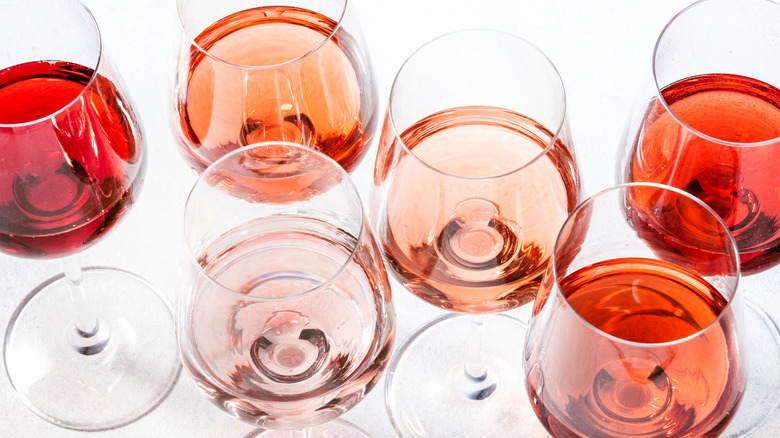
Rosé gets its beautiful pink color from very brief contact with grape skins during fermentation.
Styles range from bone dry to lightly fruity.
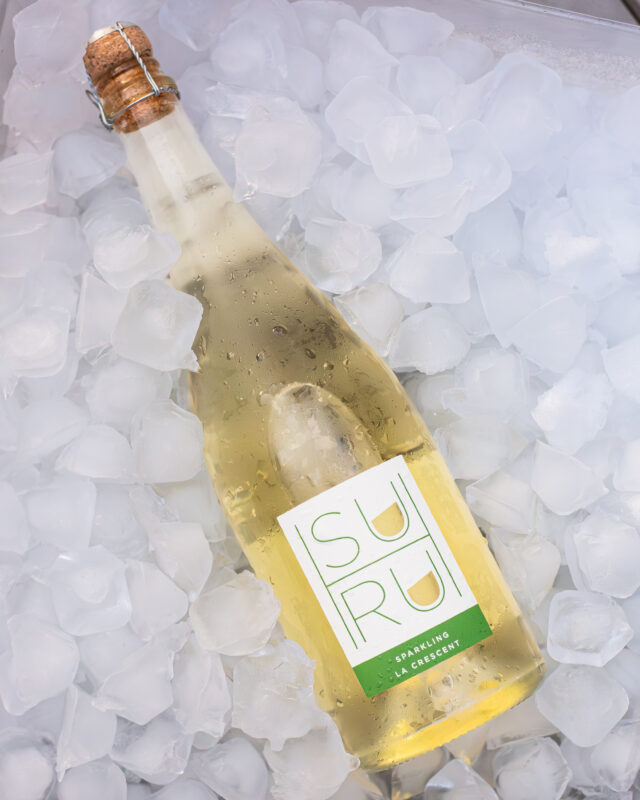
Sparkling wines contain natural bubbles created through a second fermentation.
Styles include:
Sweeter wines often served with dessert or cheese.
Examples include late harvest wines, ice wines, and Port-style wines.
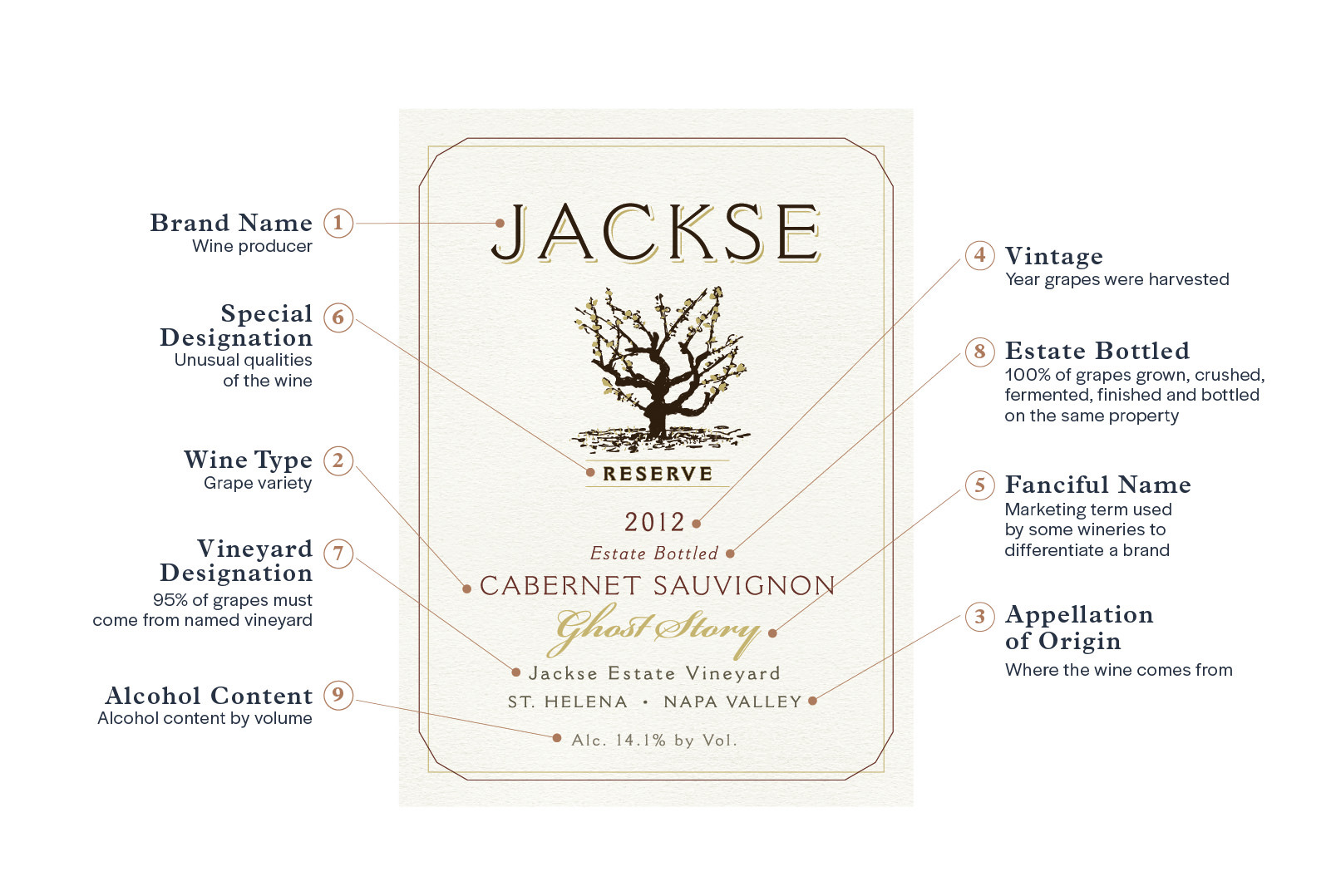
Wine labels often seem intimidating, but most include the same basic information.
Look for:
Once you know where to look, labels become much easier to understand.
Professional wine tasting isn’t about finding the “right” answer. Instead, it’s about paying attention to what you notice.
A simple four-step approach works well.
Notice the color.
Is it pale? Deep? Golden? Ruby? Purple? Color often hints at age and style.
Swirling the wine in the glass introduces oxygen and releases aromas allowing you to fully smell the wine. Don’t worry about doing it perfectly—it gets easier with practice.
Take a few short sniffs. Can you recognize:
There are no wrong answers.
Pay attention to:
These five characteristics tell you far more than trying to identify twenty different fruit flavors.

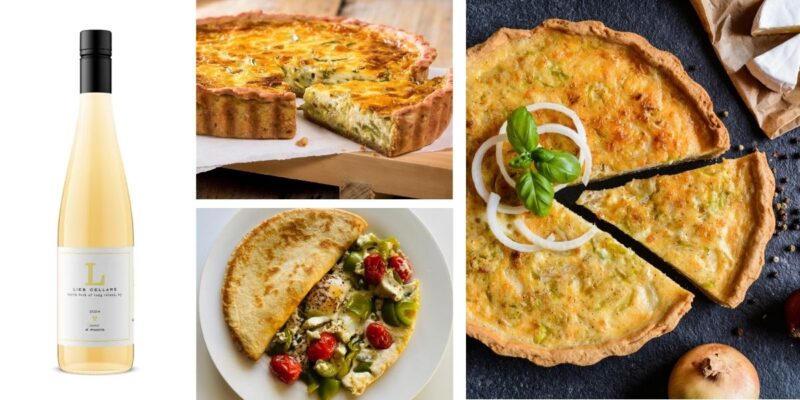
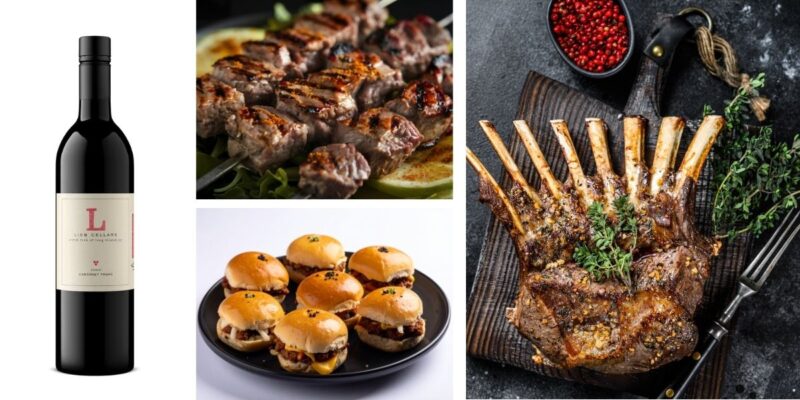
Forget complicated rules. Instead, remember a few simple guidelines.
Most importantly, drink what you enjoy. There are no wrong pairings if you enjoy the wines with the foods you are eating.
Not necessarily. Many red wines—particularly lighter bodied reds with low tannins—taste best slightly cooler than room temperature, around 55–65°F.
No. Price reflects many factors beyond quality, including production methods, rarity, and aging potential. Many outstanding wines are surprisingly affordable.
Wine is meant to be enjoyed. Some bottles improve with age, but most are ready to drink when purchased. If you are not sure, ask.
There isn’t one perfect answer. Many new wine drinkers enjoy approachable varieties such as Pinot Blanc, Sauvignon Blanc, Chardonnay, Rosé, Merlot, or Cabernet Franc because they showcase distinct flavors without being overly complex. But one of the many fun things about wine is that everyone’s tastes are different. The best way to find out what you enjoy is to start tasting!
Books and articles are helpful, but nothing replaces experience. Visit wineries. Ask questions. Try unfamiliar grape varieties. Compare two wines side by side. Notice what you enjoy.
The more wines you taste, the more confident you’ll become—and you’ll quickly discover that wine appreciation isn’t about memorizing facts or finding the “right” answer. It’s about curiosity, exploration, and sharing memorable experiences with others.
Whether you’re enjoying your first tasting flight or opening a bottle at home with friends, every glass offers an opportunity to learn something new.
So relax, trust your own palate, and enjoy the journey. After all, the best wine is the one you love drinking!