
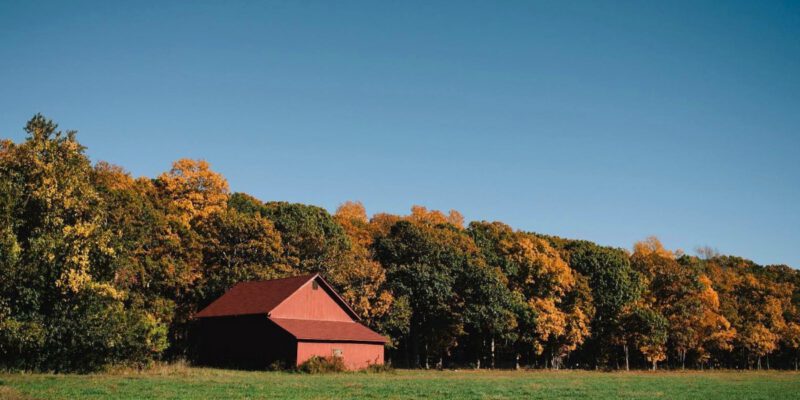
The first grapes of the 2026 vintage are officially making their way from the vineyard to the winery!
Harvest began this week with Chardonnay destined for sparkling wine, followed by Lagrein, which will become part of this year’s Sparkling Rosé. Next up is Pinot Blanc, with picking scheduled to begin Monday as we start bringing in our white wine grapes.
From there, things start moving quickly.
Over the next several weeks, our vineyard and winemaking teams will work their way through the estate, carefully monitoring each variety and vineyard block. Rather than harvesting everything at once, we’ll pick each block when the fruit reaches the right balance for the wine we’re planning to make.
It’s one of the busiest times of year—and easily one of the most exciting.

Every vintage tells a different story long before the grapes reach the winery.
The 2026 growing season has been hot, humid, and wet, conditions that have certainly kept Brad and our vineyard team on their toes.
Growing wine grapes is a year-round process, but the months leading into harvest are especially important. The vineyard team carefully manages the vines and fruit throughout the growing season, responding to weather and vineyard conditions while working toward one goal: bringing the healthiest, best-quality fruit possible into the winery.
Now comes the rewarding part.
After months of work in the vineyard, we finally get to see how the growing season translates into the grapes—and eventually the wines—we’ll be pouring from the 2026 vintage.

Not every grape reaches the winery at the same time, and the style of wine we’re making plays an important role in determining when we pick.
That’s why grapes destined for sparkling wine are typically among the first fruit we harvest.
For sparkling wine, we’re looking for bright acidity and freshness. Harvesting earlier allows us to capture those characteristics before the grapes reach the ripeness levels we want for a still wine.
This year, Chardonnay kicked off harvest for our sparkling program and Lagrein followed for Sparkling Rosé.
Meanwhile, fruit destined for still wines continues ripening on the vine.
Next we’ll turn our attention to Pinot Blanc, one of the varieties most closely connected to our history. After that, the harvest schedule will continue to evolve based on what we’re seeing—and tasting—in the vineyard.
One of the most important decisions we make each vintage is determining exactly when to pick each grape variety and vineyard block.
There’s no single date circled on the calendar months in advance.
Instead, throughout harvest, our vineyard and winemaking teams regularly collect berry samples from different areas of the vineyard. Those samples help us monitor how the grapes are developing and determine when they’re approaching the style and balance we’re looking for.
And that’s where a term you’ll hear frequently during harvest comes into play: Brix.
Brix measures the concentration of sugar in grape juice.
As wine grapes ripen, their sugar levels generally increase. Because yeast converts those sugars into alcohol during fermentation, Brix also helps winemakers estimate the wine’s potential alcohol.
So, during harvest, we’re watching those numbers closely. However, we don’t pick grapes based on Brix alone.
Numbers can tell us a lot about what’s happening inside a grape, but they can’t tell the entire story.

Along with collecting samples and monitoring Brix, we spend plenty of time simply tasting grapes in the vineyard (it’s a hard job, but someone’s gotta do it!).
We’re looking at how the flavors have developed. We’re evaluating acidity. For red grapes, we’ll also pay attention to the development of the skins and seeds. Additionally, we’re watching the overall health and condition of the fruit.
Then, of course, we consider what we’re trying to make from it.
A grape destined for sparkling wine requires a different balance than one intended for a richer still wine. Even two blocks of the same grape variety may develop at different rates depending on their location and growing conditions.
Ultimately, the decision comes from bringing all of those pieces together.
Brix. Acidity. Flavor. Fruit condition. Wine style. And, of course, the weather forecast.
When everything lines up, it’s time to pick!
If you spend time around a winery during September and October, you’ll quickly discover that harvest schedules are always written in pencil.
We may think a vineyard block is several days away from picking, only to have the fruit develop faster than expected. Alternatively, the forecast might make bringing grapes in sooner the better decision.
That’s why our vineyard and winemaking teams stay in close communication throughout harvest.
We’re constantly sampling, tasting, watching the weather, and adjusting.
After a full year of caring for the vines, those final few days can make an enormous difference.
Once we make the call, picking begins.
We hand harvest all of our grapes, allowing the vineyard team to carefully select and handle the fruit as it comes off the vines.
From there, the journey to the winery is remarkably short.
The grapes travel from our vineyard to the winery, where Russ, Brad, and the winemaking team take over. Depending on the wine, the next steps may include sorting, pressing, fermentation, and eventually aging and blending.
It’s the moment when a year in the vineyard starts becoming a vintage in the cellar.
Harvest may last only a matter of weeks, but the wines that come from it can take months—or even years—to reach your glass.
Some of the first grapes we pick this season will spend considerable time becoming traditional-method sparkling wine. Other wines from the 2026 vintage will begin taking shape much sooner. That’s part of what makes harvest so exciting.
Right now, we’re standing at the very beginning of wines we’ll eventually open, pour, pair with meals, and share around tables for years to come.
For the vineyard team, it’s the culmination of an entire growing season. For the winemaking team, the work is just beginning.
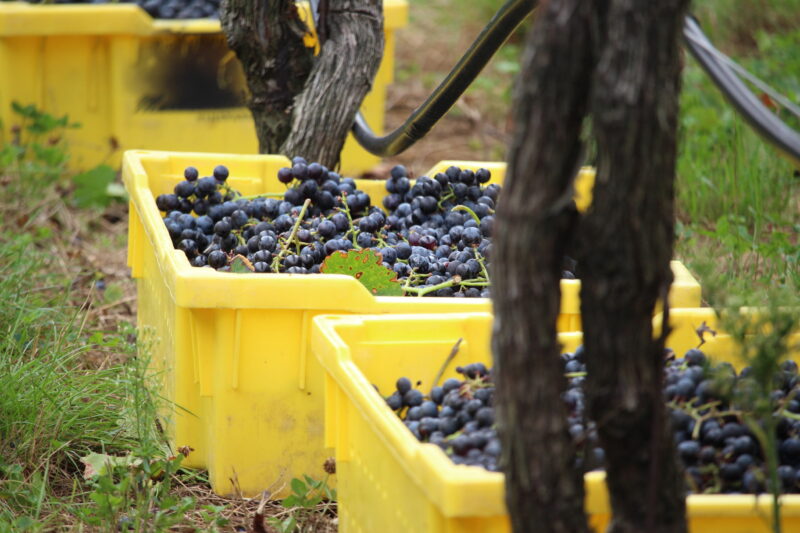
Over the next several weeks, you’ll see plenty of activity as harvest takes hold across the North Fork.
Pinot Blanc is next, but many more varieties will follow as each reaches the right point for picking. We’ll continue sharing updates from both the vineyard and cellar so you can follow the 2026 North Fork harvest from the first grapes off the vines through fermentation and beyond.
And if you’re visiting the North Fork this fall, it’s an especially exciting time to stop by. While you’re enjoying a glass in the tasting room, the next vintage may be arriving at the winery .
Harvest 2026 has officially begun. We can’t wait to see where the vintage takes us.
